12 Essential Contract Lifecycle Management(CLM) Requirements To Process
Contract lifecycle management(CLM) requirements in 2026 are no longer optional — they are the foundation of how modern businesses create, negotiate, approve, sign, and manage contracts at scale.
A few years ago, a mid-size consulting firm believed their contract process was working just fine. Sales teams drafted agreements in Word, legal reviewed them through email threads, and final versions were stored in shared folders. It worked — until it didn’t.
One day a renewal contract worth hundreds of thousands of dollars slipped through the cracks because no one had visibility into expiration dates. Another deal stalled for weeks because the legal team couldn’t locate the latest version of the agreement. Sales blamed legal. Legal blamed operations. Meanwhile, the client walked away.
Situations like this happen more often than most companies realize. Contracts are the backbone of business relationships, yet many organizations still manage them with fragmented tools and manual processes.
This is exactly why contract lifecycle management (CLM) requirements have evolved dramatically in recent years. Today’s businesses expect contract systems to automate workflows, reduce risk, centralize documents, and give teams real-time visibility into every stage of the contract lifecycle.
According to a World Commerce & Contracting report, organizations lose an average of 9.2% of annual revenue due to poor contract management practices. At the same time, research from Gartner shows that companies implementing modern CLM solutions can reduce contract processing time by up to 50%.
The message is clear: companies that modernize their contract lifecycle management processes gain a significant operational advantage.
Before choosing a platform, businesses must understand the core requirements that define a modern contract lifecycle management system in 2026.
Key Takeaways
- Contract lifecycle management requirements focus on automation, visibility, compliance, and collaboration.
- Modern CLM platforms must combine document management, AI-powered data extraction, and workflow automation.
- Organizations need a centralized contract repository to eliminate document chaos and reduce risk.
- AI and intelligent OCR are transforming how companies analyze and extract contract data.
- Integrated e-signature, approvals, and collaboration tools are now essential to accelerate deal cycles.
-
Centralized Contract Repository
One of the most important contract lifecycle management requirements is the ability to centralize all contracts in a secure digital repository.
Many organizations still store agreements across email attachments, shared drives, and local desktops. This fragmented approach makes it difficult to locate documents, track obligations, and maintain compliance.

A modern CLM platform provides a single source of truth where contracts are securely stored, categorized, and easily searchable. With a centralized repository, legal teams and business users can quickly retrieve agreements, monitor contract statuses, and maintain a clear audit trail.
Cloud-based platforms like Fortva’s contract lifecycle management system ensure that contracts are accessible across teams while maintaining strict permission controls. By combining centralized storage with intelligent indexing, organizations eliminate the confusion that often surrounds contract documentation.
Read also:What Is a Unilateral Contract in Insurance Contracts?
-
Automated Contract Creation and Templates
Contract creation is often the first stage where inefficiencies appear. Without standardized templates, employees frequently draft agreements from scratch, leading to inconsistent terms and unnecessary legal risk.
Modern CLM platforms solve this problem by offering pre-approved contract templates and automated document generation.
Templates ensure that every agreement follows company policies, while automation allows users to generate contracts quickly using dynamic fields and predefined clauses.
This requirement is especially valuable for teams that handle high volumes of agreements, such as sales contracts, vendor agreements, NDAs, and service agreements.
Platforms like Fortva allow organizations to create reusable templates or upload existing ones, ensuring contracts are generated consistently and efficiently.

-
Workflow Automation for Contract Approvals
Approval delays are one of the biggest reasons contracts stall.
In many companies, approvals still rely on manual email chains where documents move from one stakeholder to another without clear accountability. This approach increases turnaround time and makes it difficult to track progress.
A modern contract lifecycle management system must include workflow automation that routes contracts through predefined approval paths.
Automation ensures that the right people review contracts at the right time. It also provides visibility into the approval process, allowing teams to monitor progress and identify bottlenecks.
By integrating workflow automation, organizations can significantly reduce contract turnaround time and accelerate deal execution. Fortva’s workflow automation capabilities help businesses streamline approvals while maintaining compliance with internal policies.
-
Version Control and Redlining
Contract negotiation often involves multiple revisions and stakeholder feedback. Without proper version control, teams risk working with outdated documents or losing important changes.
A robust CLM system must provide version tracking and redlining tools that allow teams to collaborate on contracts without confusion.
Version control ensures that every modification is recorded, while redlining enables stakeholders to review and comment on proposed changes. These capabilities are essential for legal teams managing complex negotiations.
When version control is integrated within a document management platform, organizations can maintain a clear history of changes while protecting the integrity of the contract.
-
Integrated E-Signature Capabilities
Electronic signatures have become a standard requirement for modern contract management.
Research from Forrester shows that companies using e-signature solutions can reduce contract completion time by over 80% compared to traditional paper-based signing.
A contract lifecycle management system should include seamless e-signature integration so agreements can be signed quickly and securely.
Platforms like Fortva integrate with trusted e-signature providers such as DocuSign, allowing businesses to send documents for signature directly within the contract workflow.
This eliminates the need for printing, scanning, and manual document handling while ensuring that signed agreements are automatically stored in the contract repository.
-
AI-Powered Contract Data Extraction
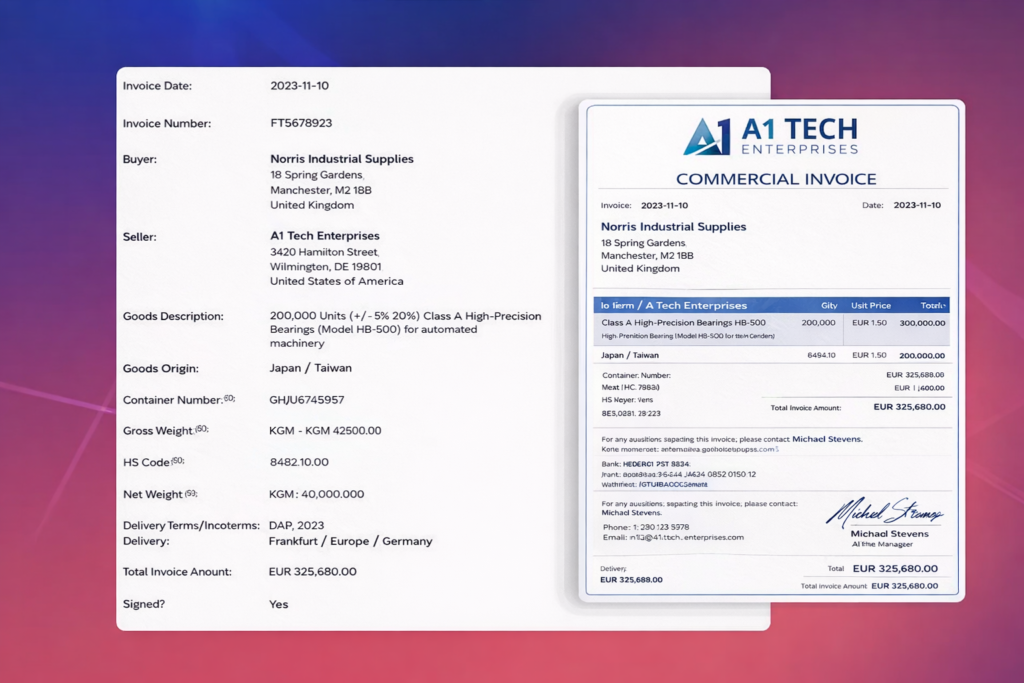
Artificial intelligence is transforming contract management by enabling systems to automatically extract key information from agreements.
AI-powered CLM platforms use intelligent OCR and machine learning to identify important data points such as:
- contract parties
- renewal dates
- payment terms
- obligations
- termination clauses
Instead of manually reviewing documents, teams can rely on AI to analyze contracts and generate insights. This capability helps organizations reduce manual work, identify risks, and improve contract visibility.
Fortva leverages AI and intelligent document processing to extract critical data and automate workflows, helping businesses transform contracts into actionable information.
-
Advanced Search and Document Retrieval
Finding the right contract quickly is a common challenge for legal and operations teams.
Without powerful search capabilities, employees may spend hours looking for documents across multiple systems.
A modern CLM platform must include advanced search functionality that allows users to locate contracts instantly using keywords, metadata, or specific clauses.
This capability becomes especially important for organizations managing thousands of agreements.
When combined with AI-powered indexing, advanced search ensures that teams can retrieve documents quickly and make informed decisions based on accurate contract data.
-
Role-Based Permissions and Security
Contracts contain sensitive information that must be protected.
A critical contract lifecycle management requirement is role-based access control, which ensures that only authorized users can view, edit, or approve specific documents.
Security features such as permission settings, encryption, and audit trails help organizations maintain compliance with internal policies and regulatory requirements.
With secure cloud-based platforms like Fortva’s document management system, businesses can manage access rights while maintaining transparency across teams.

-
Contract Lifecycle Visibility and Reporting
One of the biggest advantages of modern CLM systems is the ability to gain complete visibility into contract performance.
Traditional contract management methods rarely provide insights into contract obligations, deadlines, or financial commitments.
Modern platforms include dashboards and reporting tools that allow organizations to track contract metrics such as:
- approval timelines
- contract values
- renewal schedules
- compliance status
These insights help executives and legal teams understand how contracts impact business operations.
According to PwC, companies that implement advanced contract analytics can improve operational efficiency and reduce legal risk across the organization.
Read also:What Is a Unilateral Contract in Insurance Contracts?
-
Collaboration Between Teams
Contracts rarely involve just one department.
Sales, legal, finance, procurement, and operations teams all participate in the contract lifecycle. Without collaboration tools, communication gaps often slow down the process.
A modern CLM platform must support real-time collaboration, allowing stakeholders to review documents, leave comments, and participate in negotiations within a shared environment.
By centralizing collaboration, businesses eliminate long email threads and ensure that all stakeholders work from the same document.
-
Compliance and Audit Trails
Compliance is a critical concern for organizations managing large volumes of contracts. Regulatory requirements, internal policies, and industry standards require companies to maintain clear records of contract activity.
A CLM system should provide complete audit trails that record every action taken on a contract, including edits, approvals, signatures, and access history. This transparency helps organizations maintain compliance while reducing the risk of disputes or regulatory violations.
-
Integration with Business Systems
Contracts do not exist in isolation. They interact with multiple business systems, including CRM, ERP, and document management platforms.
For this reason, integration capabilities are a key requirement for modern contract lifecycle management software. By connecting CLM systems with other business tools, organizations can automate processes such as:
- customer contract creation from CRM systems
- invoice generation from contract terms
- data synchronization across departments
Integration ensures that contract data flows seamlessly across the organization, improving efficiency and reducing manual data entry.
Fortva’s cloud-based platform integrates document management, workflow automation, and contract lifecycle management to support a unified business environment.

How Fortva CLM Can Help You Manage Contracts Effortlessly
Managing contracts should not feel like navigating a maze of documents, approvals, and scattered information.
Fortva was designed to simplify the entire contract lifecycle by combining AI-powered contract management, document management, and workflow automation into a single platform. With Fortva, organizations can:
- Centralize contracts and enterprise documents in a secure cloud environment
- Automate contract workflows and approvals
- Generate contracts using customizable templates
- Send agreements for e-signature through DocuSign integration
- Extract key contract data using AI and intelligent OCR
- Enable collaboration between teams while maintaining strict security controls
Final Thoughts
The way businesses manage contracts is evolving rapidly. Manual processes and disconnected tools are no longer sufficient for organizations that want to scale efficiently.
Understanding the key contract lifecycle management requirements is the first step toward building a modern contract process that reduces risk, accelerates deals, and improves collaboration across teams.
As companies move into 2026, the most successful organizations will adopt CLM platforms that combine automation, AI-powered insights, and secure document management.
Looking for a CLM that meets all of your requirements?
Start Your Contract Transformation Today . If your organization is struggling with scattered contracts, slow approvals, or limited visibility into agreements, it may be time to modernize your contract management process.
Choosing to Fortva is the right decision. We provides an easy-to-use cloud platform designed to help businesses manage contracts and documents with confidence.
Start your 7-day free trial or book a demo today to see how Fortva can transform your contract and document management chaos into streamlined productivity.
Frequently Asked Questions (FAQ) About Contract Lifecycle Management Requirements
What are contract lifecycle management requirements?
Contract lifecycle management requirements are the essential features and capabilities a CLM system must have to create, negotiate, approve, sign, store, and manage contracts efficiently throughout their lifecycle.
What features should a contract lifecycle management system have?
A modern CLM system should include centralized contract storage, automated workflows, contract templates, version control, e-signatures, AI-powered data extraction, advanced search, security controls, and integration with business systems.
Why do businesses need contract lifecycle management software?
Businesses need contract lifecycle management software to automate contract processes, reduce legal risk, improve visibility into agreements, and accelerate approvals and deal cycles across teams.
What is the contract lifecycle management process?
The contract lifecycle management process includes drafting contracts, negotiating terms, reviewing and approving agreements, executing signatures, storing documents securely, and monitoring obligations and renewals.
How does AI improve contract lifecycle management?
AI improves contract lifecycle management by automatically extracting key contract data, identifying risks, analyzing clauses, and enabling organizations to gain insights from large volumes of agreements.
What is the difference between contract management and contract lifecycle management?
Contract management typically focuses on storing and tracking contracts, while contract lifecycle management covers the entire process from contract creation and negotiation to execution, compliance monitoring, and renewal.
What should businesses look for when choosing CLM software?
Businesses should look for a CLM platform that offers automation, secure document management, AI-powered insights, workflow approvals, e-signature integration, collaboration tools, and scalability to support growing contract volumes.